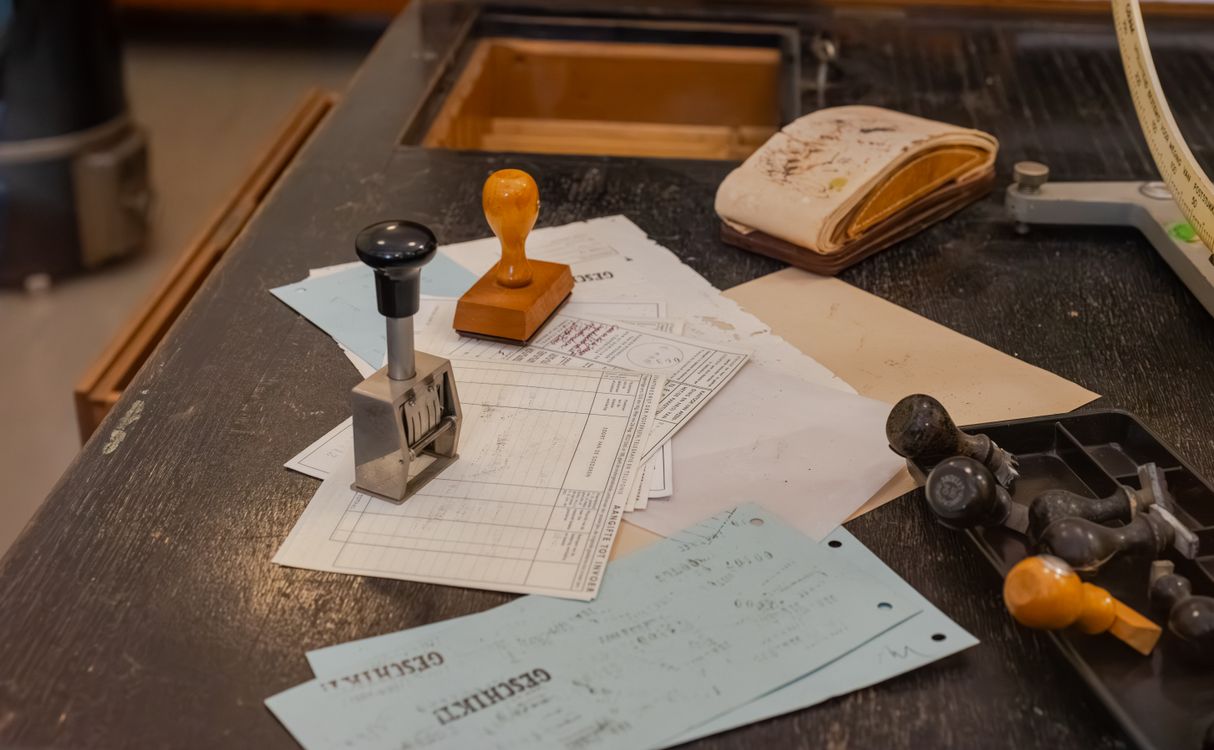
Receipts Are the Quiet Proof of Every Sale
An invoice asks for money and a receipt confirms it arrived. Many language agencies treat the second document as an afterthought. Finance teams in larger companies often refuse to close a ledger entry until the matching proof of payment is on file. Yet clients often need it for their own books and auditors ask for it years later. A clear receipt closes the loop on a project and prevents the awkward email that begins with the question whether a bill was ever paid. It takes a few minutes to issue and it saves hours of searching through bank statements.
How Receipts Differ From Invoices
An invoice is a request for payment sent before the money moves. A receipt is a confirmation sent after. Choose whichever approach your accountant prefers and then apply it to every client without exceptions. Some small businesses combine them in one document that changes status from unpaid to paid. Either way the key data stays the same. Both documents carry the seller details and the buyer details and the items and the totals and the date. Mixing them up can create confusion in the books of both parties. Knowing the difference helps you pick the right format for each client and each country.
What a Good Receipt Contains
A clear footer with contact details lets the client ask a question without searching for your email. Include the receipt number and the date of payment and the method used. Repeat the invoice number it settles. List the amount received and any balance still due. Add your company name and tax number. If the payment covered several invoices list them all. These details let the client match the receipt to their records in seconds and reduce follow up questions to almost zero.
Partial Payments and Deposits
Cash flow matters for agencies that pay linguists before the client pays them. Large translation projects often start with a deposit. Issue a receipt for the deposit the day it arrives and mention the remaining balance. Keep both documents together in the project folder so anyone on the team can find the whole story. When the final payment comes issue a second receipt that shows the full history. This habit keeps both sides aware of what has been paid and prevents arguments about totals at the end of a long project.
The linguists on the other side of those payments keep records of their own, and agencies help them by being predictable. Many freelance translators who work with Spanish agencies follow a simple billing guide that covers invoice numbering, tax details and payment terms under local rules. When an agency states its payment dates clearly, a freelancer can match each receipt to the right job without extra emails. That two-way tidiness is what turns a one-off supplier into a regular collaborator.
Automating the Routine
Time saved on admin can be spent on quality control and client calls. Typing the same fields again and again invites mistakes. An invoice receipt generator can create clean files with numbering and totals in a few clicks. Look for options such as custom logos and multiple currencies and saved templates for repeat customers. Choose a tool that lets you save client details and export a PDF that opens the same on any device. Review each document once before sending because no tool can know that a rate changed.
Matching Payments to Projects
Bank statements show amounts and dates but not always the project. Ask clients to put the invoice number in the payment reference. When they forget match the payment by amount and date and note the match in your register. A simple checklist on the same day each week turns this from a chore into a calm routine. Weekly reconciliation takes ten minutes and keeps the books clean. By then nobody remembers which project a payment belonged to and mistakes multiply. Left for months it becomes a painful puzzle.
Working With International Clients
Currency rules add another layer to the routine. Payments from abroad may arrive with bank fees deducted. Decide in advance who covers them and state it in your terms. Many agencies absorb small fees to keep goodwill while larger gaps are discussed openly. If a client pays less because of fees record the difference and decide whether to claim it. A short and polite note usually solves the issue. Show currency and exchange rate on the receipt when the payment differs from the invoice currency.
Record Keeping and Tax Rules
Tax authorities expect businesses to keep records for several years. The guidance on recordkeeping from the United States tax agency gives a clear example of what counts as good practice. When in doubt keep records longer than the minimum because disputes can appear late. Rules differ by country so check your local requirements. Digital copies are accepted in most places if they remain readable and unaltered.
Choosing the Right Partner for Large Projects
Agencies that handle big accounts need clean financial routines as much as strong linguists. When a client searches for translation services they often judge professionalism by the whole experience including billing. Smaller details such as correct names and consistent wording add to the same impression. A prompt invoice and a clear receipt show maturity and encourage repeat work.
Common Mistakes
The first mistake is issuing a receipt before the money arrives. The second is losing track of partial payments. The third is changing the format from one month to the next. Clients notice inconsistency and begin to doubt other details. Update it only when a legal rule or a company detail changes and note the date of the change. Keep one template and one numbering system and the problems disappear.
Understanding the Basics
If you want a plain explanation of the main concepts the guide to the invoice on Investopedia is a useful starting point. The article also explains common terms that appear on accounting software and bank portals. It describes the purpose of the document and the elements that most businesses include which helps new project managers understand why accuracy matters.
Make Paperwork a Strength
Smooth paperwork will not win a project alone but it keeps relationships healthy. A one page guide kept in the shared drive is enough to keep everyone aligned. Train every project manager on the same routine. Review the process once a year. Companies that treat financial documents with care earn trust and receive payments faster than those that do not.